


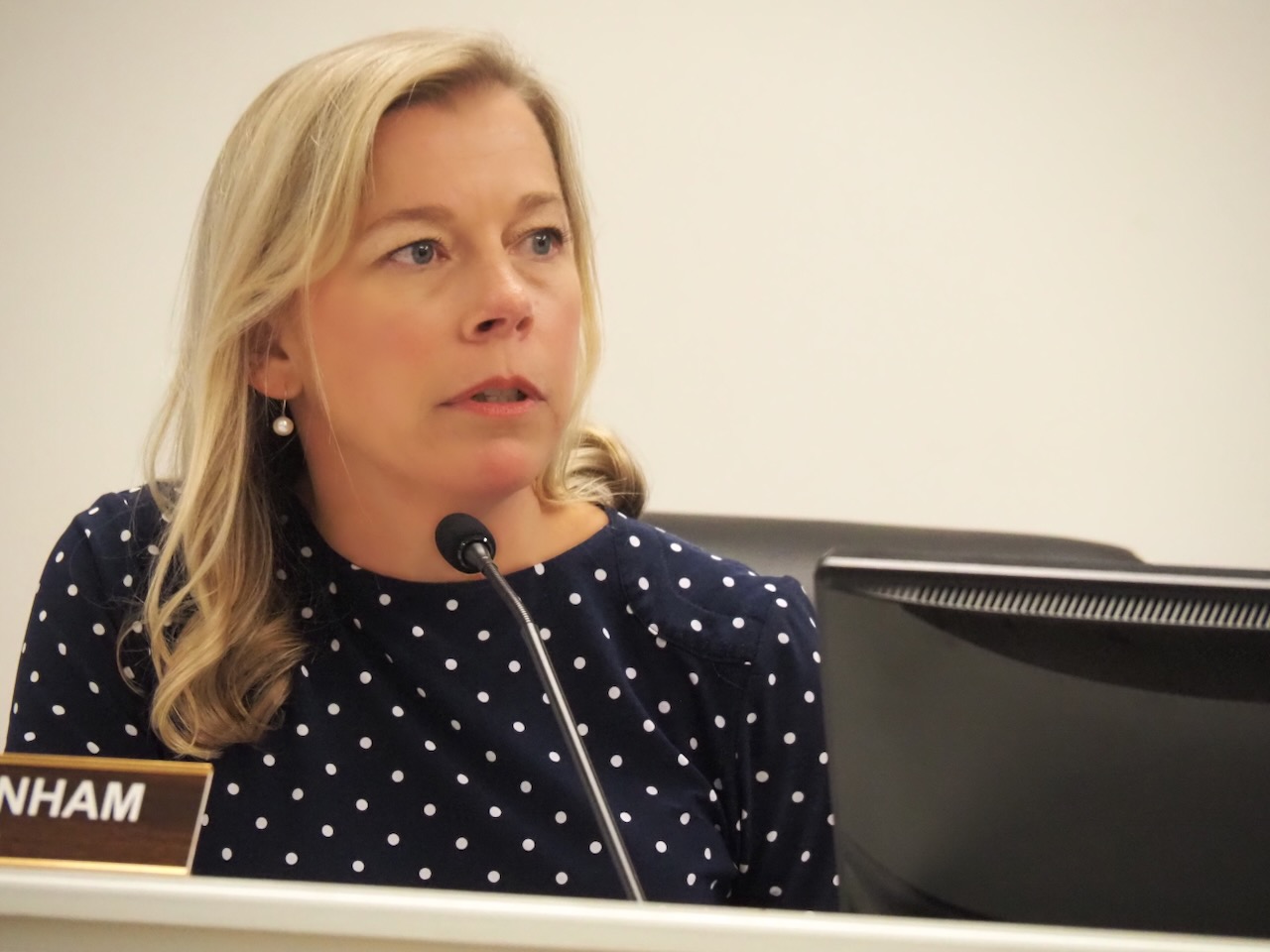
With a budget work session scheduled Thursday, Roanoke Rapids City Manager Kelly Traynham said the comments made during Tuesday’s public hearing will be processed and revisions will be identified.
The budget work session is scheduled for 10 a.m. at the Lloyd Andrews City Meeting Hall on Jackson Street.
“Staff has been working since our last meeting to find some additional cuts and things like that we will talk about,” she said.
A 4-cent tax increase is on the table, which, if approved, would raise the city’s tax rate from 64.1 cents per $100 of assessed value to 68.1 cents.
The city manager said during a meeting last month the proposed tax increase would generate an additional $560,640 in property tax revenues. Taking the additional tax revenues into account, the proposed financial plan also requires a $1,601,054 infusion from the undesignated fund balance to reach a $21,113,732 operating budget for the 2026-27 fiscal year.
The budget is tentatively scheduled to be considered for adoption on June 16. “From there, we move into really looking at the next fiscal year and some challenges that lie ahead,” she said Tuesday. “This budget is challenging. We have projected a revenue loss and expenses have increased dramatically. We know there will be some tough decisions that will have to be made in the future.”
The city manager said, “We also need to really protect our interests and advocate for our state-directed benefits that the General Assembly is considering.”
The city learned last week there’s a new bill out that would further reduce its sales tax revenues effective October 1. “Paying attention to what’s happening at the state level with our legislators and how that impacts our local revenues is significant.”
Traynham said that, over time, the city has experienced persistent budget constraints. “We’ve experienced certain actions that the city has not raised taxes to cover the deficit. Our staff has been making cuts every single year. We’re at a point now where we can’t cut anything else without stopping, discontinuing, or changing the way that things are done.”
She described the process as complex. “There’s city employees involved. There’s families involved. In all fairness, there are some potential things we can explore, but it’s about trying to maintain our workforce as well as to sustain services as we navigate what we are anticipating in the future.”